
Parking is one of those neighborhood issues that can seem small until it starts affecting your own driveway, sidewalk, street, or daily routine. In a community like Estancia, the question is not only where people park. The bigger question is how parking affects safety, appearance, convenience, and the way neighbors live next to each other.
Street parking, guest vehicles, work trucks, delivery drivers, contractors, and multiple-car households can all create frustration when space feels limited or rules are unclear.
Parking is not just about convenience. It affects safety, curb appeal, and the everyday comfort of the neighborhood.
Estancia Guardian
Some residents may believe stricter parking rules are needed to keep streets clear and protect the appearance of the community. Others may feel homeowners need flexibility, especially when hosting family, welcoming guests, managing work vehicles, or having repairs done at the house.
Both sides can have fair points. That is what makes parking one of the most common and emotional neighborhood debates.
Why Parking Becomes a Neighborhood Issue
Parking becomes controversial because it is visible. Residents see it every day when they drive home, walk outside, or invite guests over.
A car parked in the wrong place may block a sidewalk. A work truck may make a street feel narrow. A vehicle near a corner may reduce visibility. Multiple cars outside one home may make neighbors wonder whether the street is slowly becoming overcrowded.
Even when no one is trying to cause a problem, parking can quickly become personal.
For the homeowner parking on the street, it may feel necessary. For the neighbor trying to back out of a driveway or walk with children, it may feel frustrating. For residents concerned about property values, it may feel like the neighborhood appearance is being affected.
The issue is rarely only about one car. It is usually about consistency, safety, and fairness.
The Case for Stricter Parking Rules
Residents who support stronger parking rules often argue that clear streets make the neighborhood safer and more attractive.
When streets are crowded with parked cars, drivers may have less room to pass. Emergency vehicles may have a harder time moving through quickly. Children on bikes, walkers, golf carts, and delivery vehicles may all face more obstacles.
There is also the issue of curb appeal.
Estancia is a residential neighborhood, and many homeowners care deeply about how the community looks. Too many vehicles on the street, especially overnight or for long periods, can change the feel of a neighborhood even if the vehicles are legally parked.
For some residents, parking rules are not about being difficult. They are about maintaining order, protecting safety, and preserving the appearance that homeowners expected when they moved into the community.
The Case for Flexibility
Other residents may feel that strict parking rules can become unreasonable if they do not reflect how families actually live.
Many households have more than one driver. Some have teenagers, adult children, caregivers, visiting relatives, or overnight guests. Others may have contractors, cleaning services, nurses, landscapers, delivery drivers, or repair workers coming in and out during the week.
In those situations, occasional street parking may be unavoidable.
Residents may also worry that parking enforcement can become selective or inconsistent. If one home is warned while another is ignored, frustration can grow quickly.
That is why flexibility matters. Rules should protect the neighborhood, but they should also recognize real-life situations.
The real issue may be consistency
Parking rules are easier for residents to accept when they are clear, practical, and applied fairly. Confusion often begins when homeowners do not know what is allowed, what is temporary, and what may lead to enforcement.
Blocked Sidewalks and Safety Concerns
One of the biggest concerns with neighborhood parking is blocked sidewalks.
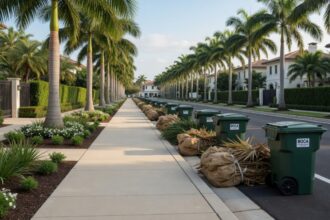
When a vehicle blocks a sidewalk, pedestrians may be forced into the street. That can be especially concerning for children, parents with strollers, elderly residents, dog walkers, and anyone walking after dark.
Even a temporary blockage can create a safety issue if it happens in the wrong spot or at the wrong time.
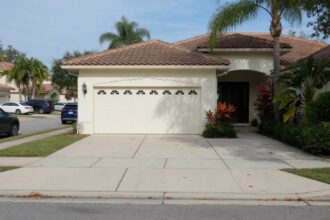
Driveways can also create problems when cars hang too far into the sidewalk or street. A resident may feel the vehicle is mostly on their property, while a neighbor may see it as an obstacle that makes walking or driving more difficult.
Clear expectations can help prevent these conflicts before they become personal.
Guest Parking and Weekend Gatherings
Guest parking is another sensitive part of the conversation.
Residents should be able to host family and friends. Neighborhoods are not museums. People celebrate birthdays, holidays, graduations, dinners, and family gatherings. That naturally brings extra cars.
At the same time, frequent gatherings can affect nearby homes if guest parking becomes excessive, blocks driveways, crowds intersections, or continues late into the night.
The fairest approach may not be to discourage guests, but to encourage responsible planning.
Residents hosting larger gatherings can help by making sure guests avoid blocking sidewalks, mailboxes, driveways, fire hydrants, or tight corners. Small steps like that can reduce tension and show respect for neighbors.
| Parking Concern | Why it matters |
| Blocked sidewalks | Walkers, children, strollers, and elderly residents may be forced into the street. |
| Cars near corners | Visibility can be reduced for drivers, cyclists, and pedestrians. |
| Overnight street parking | Residents may feel the neighborhood looks crowded or poorly maintained. |
| Work trucks | Large vehicles may make streets feel narrow or affect curb appeal. |
| Guest overflow | Large gatherings can create temporary congestion if not managed carefully. |
Work Trucks, Contractors, and Commercial Vehicles
Commercial vehicles can create a separate debate.
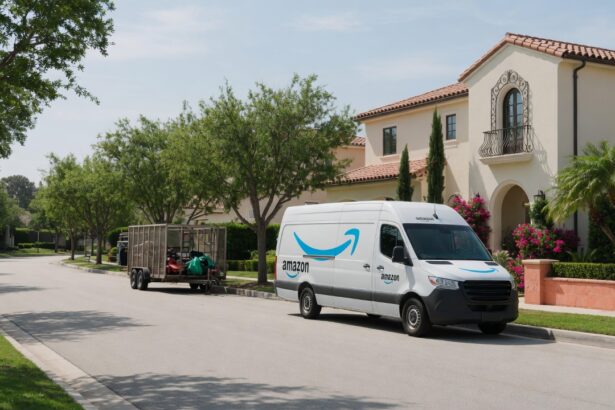
Some residents may object to work trucks or vans being parked in front of homes, especially overnight. They may feel it changes the residential character of the neighborhood or makes streets look more commercial.
Others may point out that many homeowners rely on work vehicles for their livelihood. For those residents, a truck or van may not be a luxury or convenience. It may be part of how they support their family.
This is where rules need to be especially clear.
If commercial vehicles are restricted, residents should know exactly what counts as a commercial vehicle, when it is allowed, where it can be parked, and whether temporary contractor vehicles are treated differently from resident-owned work vehicles.
Without clear definitions, enforcement can feel unfair or confusing.
Finding a Fair Solution
The best parking policy is usually one that is clear, practical, and consistently applied.
Too much enforcement can make residents feel watched and restricted. Too little enforcement can make the neighborhood feel disorganized and unsafe.
Estancia should not need a parking debate that turns neighbor against neighbor. What the community may need is a plain-language explanation of the rules, a fair process for warnings, and reasonable flexibility for real situations.
The Guardian View
Estancia Guardian believes parking concerns should be handled with both common sense and respect.
Residents deserve safe streets, clear sidewalks, and a neighborhood that maintains its appearance. Homeowners also deserve practical rules that recognize guests, family needs, work responsibilities, and everyday life.
The answer is not to turn every parked car into a fight. The answer is clearer communication, fair enforcement, and a shared understanding that parking affects more than the person behind the wheel.
A neighborhood works best when convenience does not come at the cost of safety, and rules do not come at the cost of common sense.
This article is sample demo content created for website preview purposes.