
Neighborhood streets are not highways, but they can still become dangerous when drivers move too fast, visibility is poor, or residents forget how many people share the road. In Estancia, cars are not the only concern. Children, walkers, cyclists, golf carts, pets, delivery vehicles, and guests may all be using the same streets at the same time.
That makes street safety one of the most important quality-of-life issues in the neighborhood.
A safe neighborhood is not created by one rule. It is created by daily habits, shared awareness, and residents who treat every street like families live on it.
Estancia Guardian
For many residents, the issue is simple: slow down, watch carefully, and remember that neighborhood streets are used by more than drivers. For others, the concern goes further. They may wonder whether Estancia needs better signage, stronger reminders, more consistent speed enforcement, or clearer expectations for golf carts, bikes, and children playing outside.
The goal should not be to create fear. The goal should be to prevent a serious accident before one happens.
Why Street Safety Feels Personal
Street safety becomes personal because it affects everyday life.
Parents want their children to ride bikes without feeling unsafe. Walkers want to enjoy the neighborhood without stepping into the street to avoid parked cars or speeding vehicles. Dog owners want enough visibility to cross safely. Drivers want clear roads, predictable movement, and fewer surprises around corners.
When everyone uses the same space differently, small risks can build quickly.
A driver may feel they are only going a little over the speed limit. A parent watching from the sidewalk may see the same vehicle and feel very differently. A child on a bike may assume a car will stop. A driver may assume the child will move out of the way. Those assumptions are exactly where problems can begin.
In a neighborhood, safety depends on everyone expecting the unexpected.
The Speeding Concern
Speed is one of the most common complaints in residential communities.
Even when drivers do not mean any harm, a few extra miles per hour can make a street feel less safe. It gives drivers less time to react and gives pedestrians, children, cyclists, and golf cart users less time to move safely.
In a community like Estancia, where streets may include curves, parked vehicles, landscaping, driveways, and children playing outside, visibility matters. A vehicle can appear quickly. So can a child, dog, golf cart, or bike.
Residents who raise concerns about speeding are not necessarily trying to police every driver. They are often asking for one basic thing: treat the neighborhood like people live here.
That is a fair request.
Golf Carts and Neighborhood Roads
Golf carts can add convenience and charm to a neighborhood, but they can also create safety questions if expectations are unclear.
Residents may use golf carts to visit neighbors, take short rides, move around the community, or enjoy the neighborhood with family. But golf carts are still vehicles, and they share space with cars, pedestrians, cyclists, and children.
Questions can arise quickly. Who should be driving them? Where should they be used? Should children be passengers? Should they follow the same stop signs and road rules as cars? What happens when a golf cart is used after dark?
These questions are worth answering before there is a problem.
The safety question
When cars, golf carts, bikes, walkers, children, and pets all share the same roads, the neighborhood needs more than common sense. It needs clear expectations and daily awareness from everyone.
Kids on Bikes and Scooters
Children riding bikes, scooters, and skateboards are part of neighborhood life. A community should feel like a place where kids can be outside, be active, and enjoy where they live.
But children do not always understand traffic risk the same way adults do.
They may turn suddenly, ride into the street, cross without looking carefully, or assume drivers can see them. Younger children may also have trouble judging speed and distance, especially when a vehicle is approaching from around a curve or behind a parked car.
This does not mean children should not play outside. It means adults need to drive with extra caution, and families need to remind children about safe riding habits.
Street safety cannot fall on only one group. Drivers, parents, children, and the community all play a role.
The Problem With Poor Visibility
Visibility can make the difference between a close call and a preventable accident.
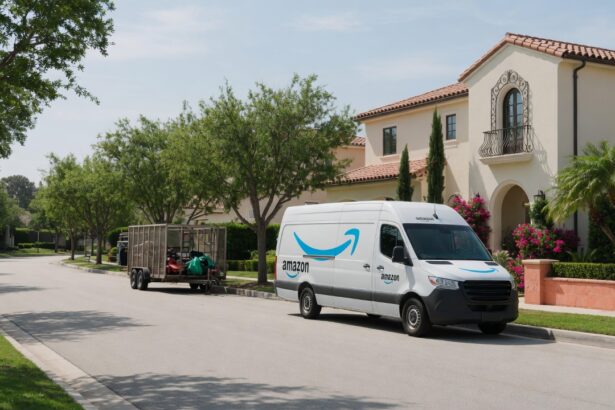
Parked vehicles, large hedges, curved streets, low lighting, delivery trucks, and landscaping can all make it harder to see what is happening ahead. A driver may not see a child until the last second. A walker may not see a car coming around a bend. A cyclist may assume the road is clear when it is not.
That is why safety discussions should include more than speed. Estancia may also benefit from looking at dark areas, blocked sidewalks, overgrown landscaping near corners, and places where parked cars make streets feel narrower.
Sometimes the best safety improvement is not dramatic. It may be trimming a hedge, fixing a light, reminding residents not to park near corners, or adding clearer signage.
| Safety Concern | Why residents notice it |
| Speeding | Drivers have less time to react to children, walkers, pets, bikes, and golf carts. |
| Golf carts | They share space with cars and pedestrians but may not always follow clear road expectations. |
| Kids on bikes | Children may turn suddenly, cross quickly, or misjudge vehicle speed. |
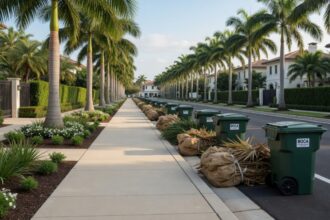
| Blocked sidewalks | Walkers may be forced into the street, especially with strollers or pets. |
| Poor lighting | Dark areas make it harder to see pedestrians, vehicles, and road hazards at night. |
Should Estancia Add More Signs or Reminders?
Some residents may believe more signs would help. Speed limit signs, children-at-play reminders, golf cart safety notices, or pedestrian awareness signs can all send a message that the neighborhood takes safety seriously.
Others may feel signs alone are not enough. A sign does not slow down a careless driver. A reminder does not help if residents ignore it. Too many signs can also clutter the look of a neighborhood if they are not placed carefully.
The best solution may be a combination of simple reminders, thoughtful placement, and regular communication.
A safety message repeated in a newsletter, posted near common areas, and reinforced by residents can be more effective than one sign that everyone stops noticing after a week.
Shared Responsibility Matters
No single rule can make a neighborhood safe if residents do not take responsibility for their own habits.
Drivers should slow down, stop fully, and assume someone may be around the corner. Parents should teach children to ride predictably and watch for cars. Golf cart users should follow the same basic road expectations as other vehicles. Walkers should stay visible, especially near dusk or after dark.
Most importantly, residents should treat safety as a community issue rather than someone else’s problem.
The Guardian View
Estancia Guardian believes street safety should be discussed before a serious incident forces the conversation.
Residents should be able to walk, drive, bike, and enjoy the neighborhood without unnecessary risk. Children should be able to play outside. Drivers should be able to move through the community safely. Golf cart users and cyclists should understand that they are part of the same shared road system.
The answer does not need to be fear or overreaction. The answer should be awareness, communication, and practical safety habits that everyone can follow.
Estancia’s streets should feel calm, residential, and safe. That depends on residents treating every turn, every driveway, and every sidewalk like someone’s family may be nearby.
A neighborhood street is not just a road. It is part of the place people call home.
This article is sample demo content created for website preview purposes.